Paul S. Scotti, Ph.D


Co-founder & CTO at Sophont Inc.
Visiting scientist at Princeton Neuroscience Institute
scottibrain[at]gmail.com


Sophont
Curriculum vitae

Blog / Newsletter


My Educational / Open Research Tools:


Scaling Neuro (Open fMRI data infrastructure)
Brainmarks (fMRI foundation model evaluation)
Labless (Collaborative autoresearch platform)
nanopath (1-hour pathology model challenge)
EduCortex (Brain visualizer)
OnNeuro (Lecture repository)
Inverted Encoding (Python package)
fMRI Playground (Interactive textbook)

CURATED WORK

Real-time Reconstruction of Human Visual Perception from fMRI
Rishab S. Iyer, Jiaxin Cindy Tu, ... Paul S. Scotti, Kenneth A. Norman
arXiv preprint (2026) Project code
A real-time-compatible MindEye2 pipeline that reconstructs viewed images from single-trial 3T fMRI within seconds while a participant is still in the scanner.
Diagram of the real-time fMRI-to-image reconstruction pipeline

CortexMAE and Brainmarks: Scaling Vision Transformers for Functional MRI with Flat Maps
Connor Lane, Mihir Tripathy, ... Tanishq Mathew Abraham, Paul S. Scotti
Release post ICML (2026) Brainmarks
CortexMAE is a family of fMRI foundation models trained on open fMRI data. Brainmarks is an open evaluation suite with more than 30 tasks spanning dynamic brain-state decoding and clinical prediction.
CortexMAE functional MRI representation spaces

Medmarks: A Comprehensive Open-Source LLM Benchmark Suite for Medical Tasks
Benjamin Warner, Ratna Sagari Grandhi, ... Paul S. Scotti, Tanishq Mathew Abraham
arXiv preprint (2026) Live leaderboard Release post
A fully open medical LLM evaluation suite with 30 benchmarks, including verifiable tasks, open-ended clinical reasoning, and agentic workflows.
Medmarks medical language model benchmark results

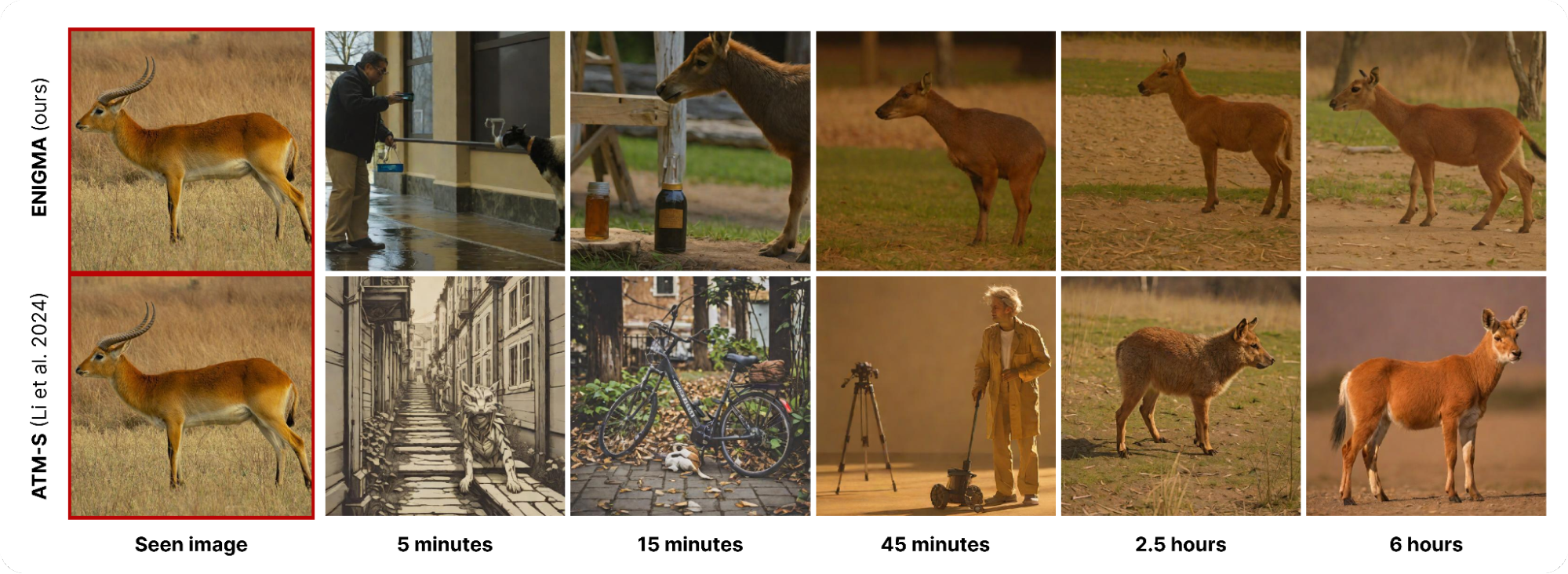
ENIGMA: EEG-to-Image in 15 Minutes Using Less Than 1% of the Parameters
Reese Kneeland, Wangshu Jiang, Ugo Bruzadin Nunes, Paul S. Scotti, Arnaud Delorme, Jonathan Xu
arXiv preprint (2026)
A compact multi-subject EEG-to-image model that adapts to a new participant with as little as 15 minutes of data and works across research-grade and affordable EEG hardware.
Stimulus images and ENIGMA EEG-to-image reconstructions

nanopath and Labless: Crowdsourced Autoresearch for Pathology Foundation Models
Sophont and MedARC contributors
nanopath release Code Labless
nanopath is a fast, single-GPU pathology foundation-model challenge. Labless connects autonomous and human-run experiments to a public record of source, metrics, authorship, and validation state.
nanopath pathology foundation model challenge logo

OpenMidnight: How to Train a State-of-the-Art Pathology Foundation Model with $1.6k
Daniel Kaplan, Ratna Sagari Grandhi, Connor Lane, Benjamin Warner, Tanishq Mathew Abraham, Paul S. Scotti
Sophont Technical Report (2025) Citable archive
An open pathology foundation model trained on 12,000 public whole-slide images for about $1,600, with the code, training pipeline, and model weights released.
OpenMidnight pathology foundation model training and evaluation pipeline

Compress-Distill: Reasoning Trace Compression for Efficient Knowledge Distillation
Maxime Griot, Paul S. Scotti, Tanishq Mathew Abraham
arXiv preprint (2026)
A large experimental study of the accuracy and efficiency trade-offs created by compressing long reasoning traces before knowledge distillation.
Reasoning trace compression ratios across domains

MIRAGE: Robust Multi-Modal Architectures Translate fMRI-to-Image Models from Vision to Mental Imagery
Reese Kneeland, Cesar Kadir Torrico Villanueva, ... Paul S. Scotti, Thomas Naselaris
arXiv preprint (2026)
A method that trains on visual-perception fMRI and achieves state-of-the-art mental image reconstruction on the NSD-Imagery benchmark.
MIRAGE seen and imagined image reconstruction examples

Alljoined-1.6M: A Million-Trial EEG-Image Dataset for Evaluating Affordable Brain-Computer Interfaces
Jonathan Xu, Ugo Bruzadin Nunes, Wangshu Jiang, ... Paul S. Scotti, Arnaud Delorme, Reese Kneeland
NeurIPS Datasets and Benchmarks (2025)
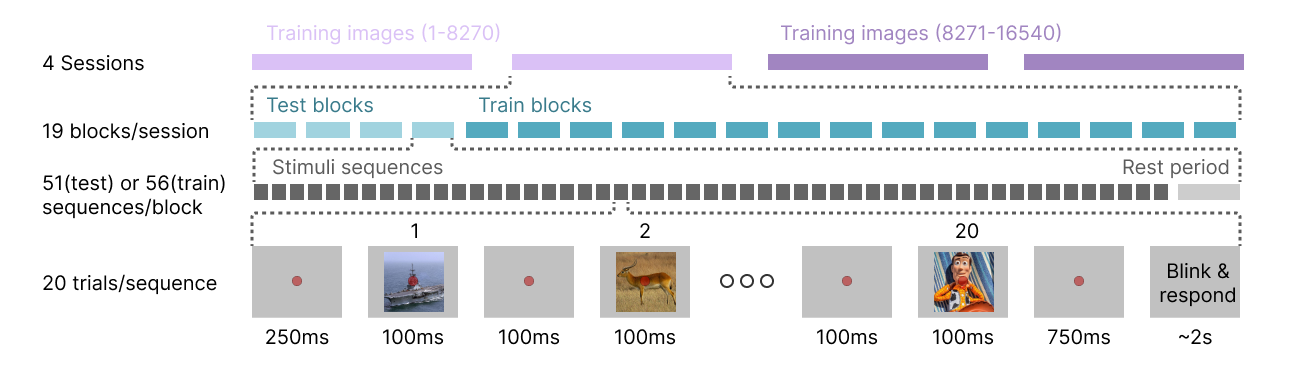
More than 1.6 million visual EEG trials from 20 participants, collected using an affordable 32-channel system for accessible brain-computer interface research.
Alljoined visual EEG experimental paradigm

NSD-Imagery: A Benchmark Dataset for Extending fMRI Vision Decoding Methods to Mental Imagery
Reese Kneeland, ... Paul S. Scotti, Thomas Naselaris
CVPR (2025) (awarded as spotlight paper)
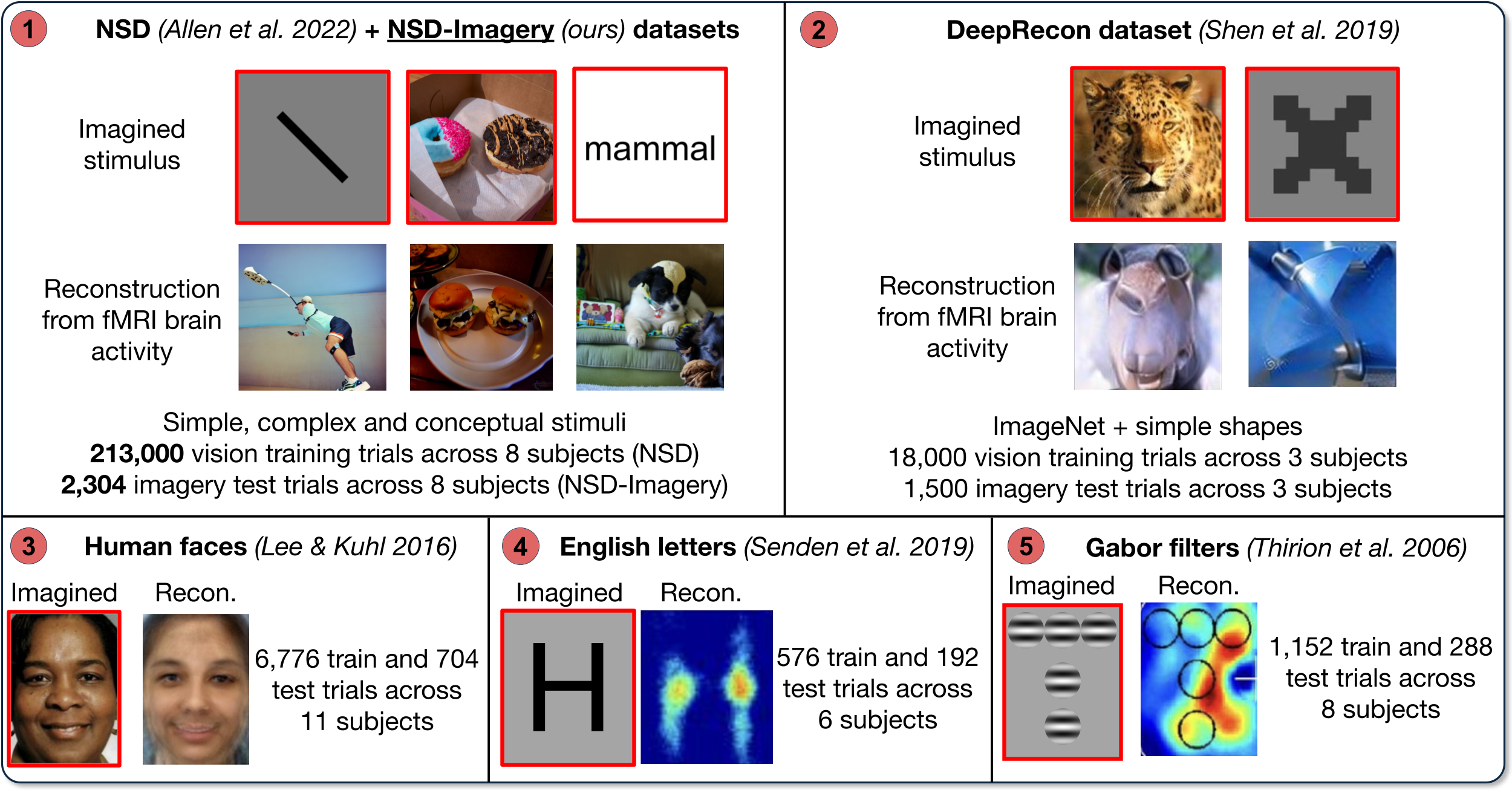
A benchmark dataset for measuring how perception-trained fMRI decoders generalize to internally generated visual imagery.
NSD-Imagery vision and mental imagery reconstruction examples

Insights from the Algonauts 2025 Winners
Paul S. Scotti & Mihir Tripathy
Research report (2025)
Lessons from MedARC's fourth-place solution to predicting whole-brain fMRI responses to long, naturalistic movies.
Algonauts 2025 out-of-distribution challenge leaderboard

How to Structure Open Science Collaborations Online
Paul S. Scotti
Essay / preprint (2025)
Practical guidance for organizing ambitious online science-in-the-open projects while preserving focus, transparency, and fair credit.
Open science collaboration structure illustration

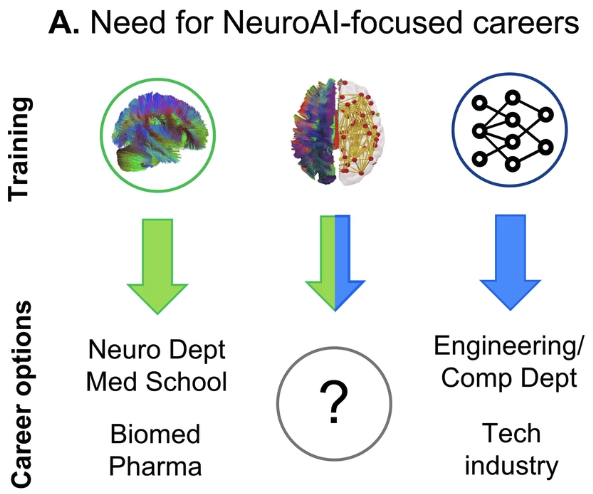
Trainees’ perspectives and recommendations for catalyzing the next generation of NeuroAI researchers
Andrea Luppi, Jascha Achterberg, ... Paul S. Scotti, Helena M. Gellersen
Nature Communications (2024)
NeuroAI trainees often feel caught between AI and neuro groups, lacking dedicated programs. Our work explores this, offering survey results & resources for trainees and institutions. We provide a living list of trainee resources in our GitHub: github.com/8erberg/NeuroAI_Trainee_Resources

MindEye2: Shared-Subject Models Enable fMRI-To-Image With 1 Hour of Data
Paul S. Scotti, ... Thomas Naselaris, Kenneth A. Norman, Tanishq Mathew Abraham
ICML (2024)
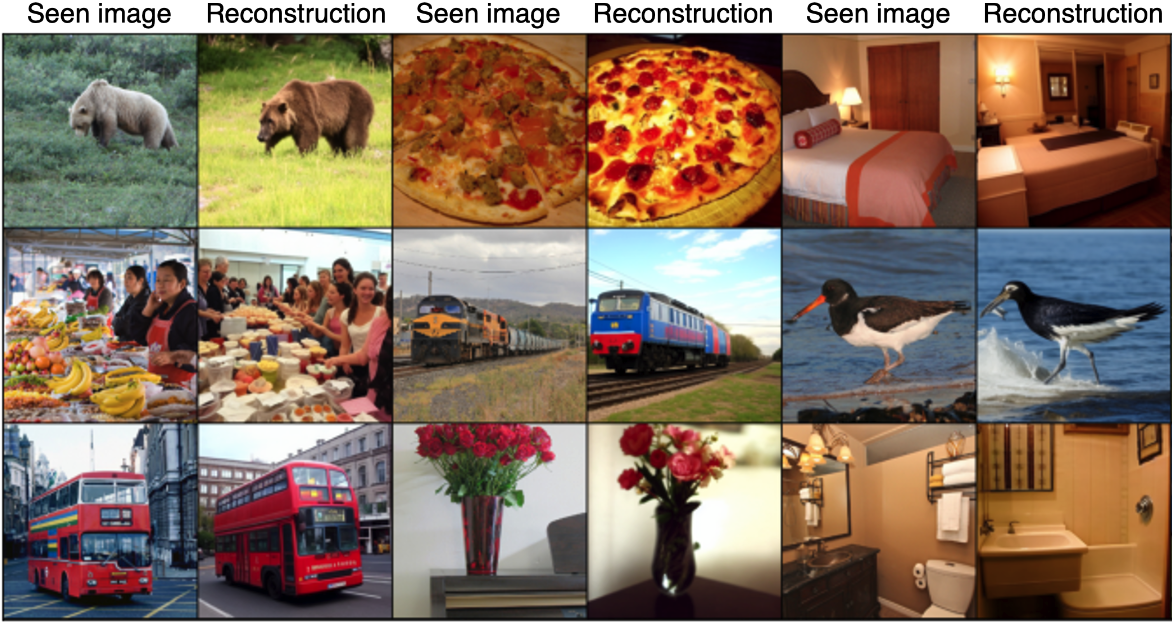
SOTA in reconstructing seen images from fMRI brain activity, achieved via shared-subject modeling and fine-tuning SDXL.

Reconstructing the Mind’s Eye: fMRI-to-Image with Contrastive Learning and Diffusion Priors
Paul S. Scotti, Atmadeep Banerjee, ... Kenneth A. Norman, Tanishq Mathew Abraham
NeurIPS (2023) (awarded as spotlight paper)
Retrieval and reconstruction of seen images from fMRI brain activity using contrastive learning and diffusion modeling.

AI Alibis: Multi-Agent LLM Murder Mystery
Paul S. Scotti & Will Beddow
Interactive website (reached #1 on Hacker News)
Violation & principles refinement can address pink elephant problem in large language models, illustrated via short interactive murder mystery game built with React.

EduCortex: browser-based 3D brain visualization of fMRI meta-analysis maps
Paul S. Scotti, Arman Kulkarni, Matan Mazor, Eduard Klapwijk, Tal Yarkoni, & Alexander Huth
Interactive website Journal of Open Source Education (2021)
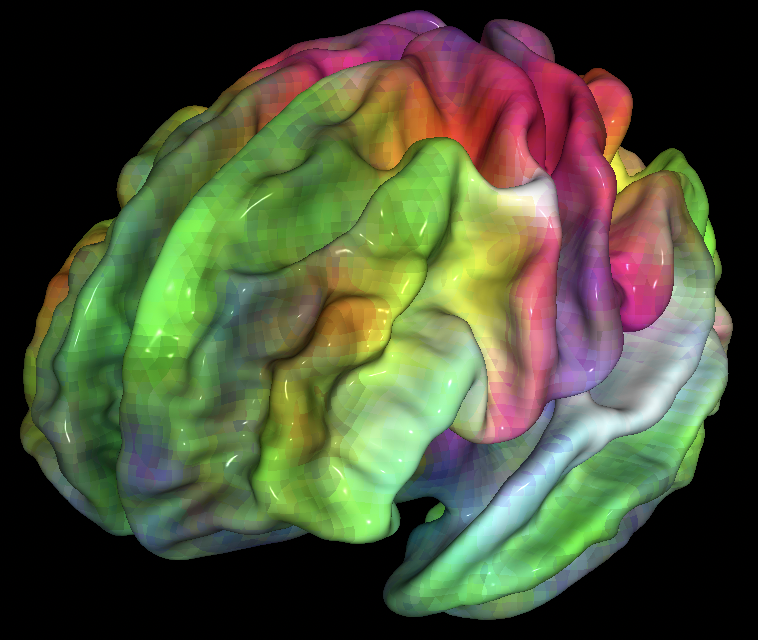
Browser visualization tool. User can visualize anatomical areas of the brain and use our meta-analysis interface to overlay functional specializations.

fMRI Playground: Simple summaries & simulations of neuroimaging methods
Paul S. Scotti, Jiageng Chen, Xiaoli Chen, & Julie D. Golomb
Interactive website
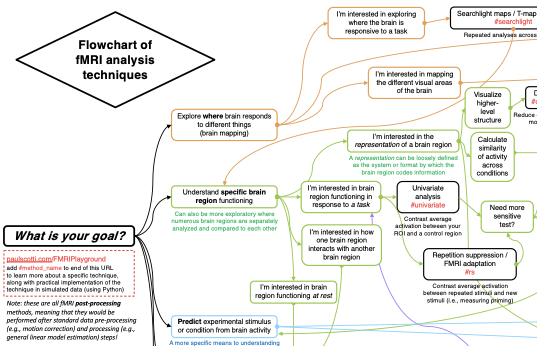
Interactive textbook on computational neuroimaging methods using flowcharts, high-level method summaries, and practical Python examples using simulated data.

An enhanced inverted encoding model for neural reconstructions
Paul S. Scotti, Jiageng Chen, & Julie D. Golomb
bioRxiv (2021) PyPI
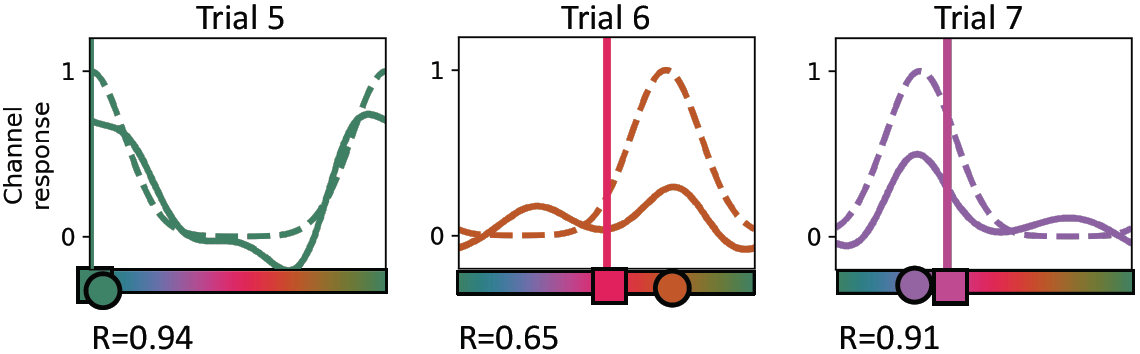
Python package for inverted encoding models to improve flexibility and interpretability of stimulus reconstructions.

Visual working memory items drift apart due to active, not passive, maintenance
Paul S. Scotti, Yoolim Hong, Andrew B. Leber, & Julie D. Golomb
Journal of Experimental Psychology: General (2021)
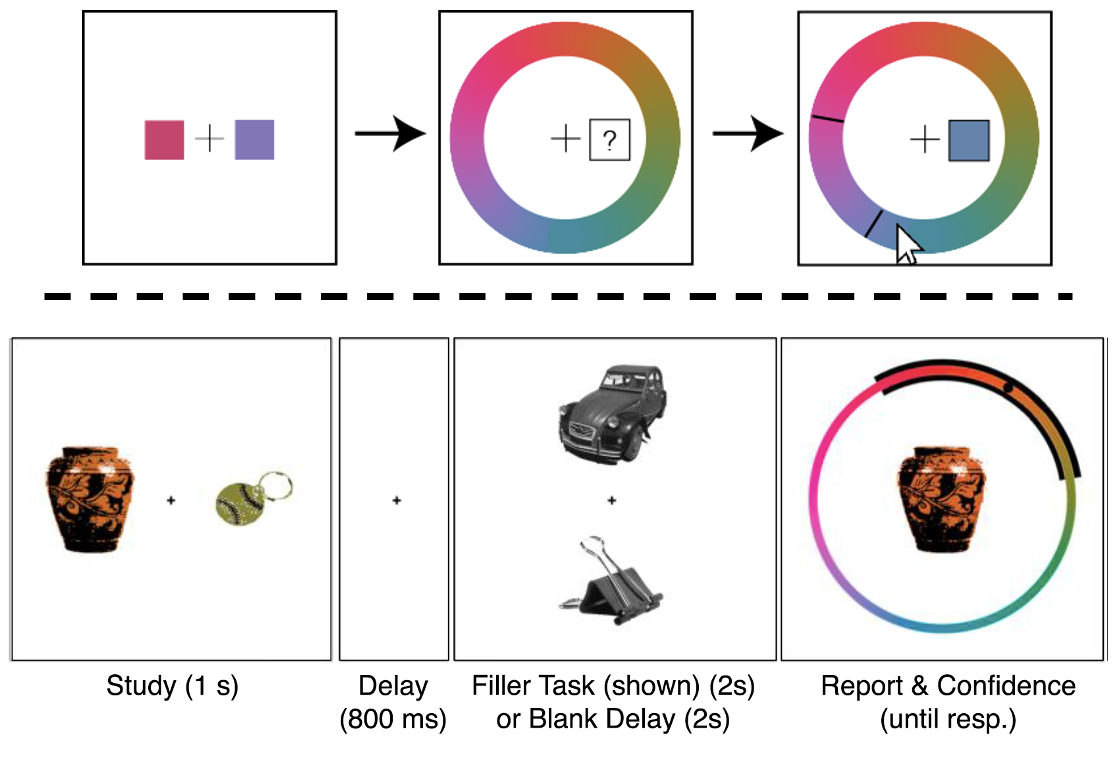
We show how memories interact with each other to sometimes unconscious systematic repulsion biases.

Attention scales according to inferred real-world object size
Andrew J. Collegio, Joseph C. Nah, Paul S. Scotti, & Sarah Shomstein
Nature Human Behavior (2019)
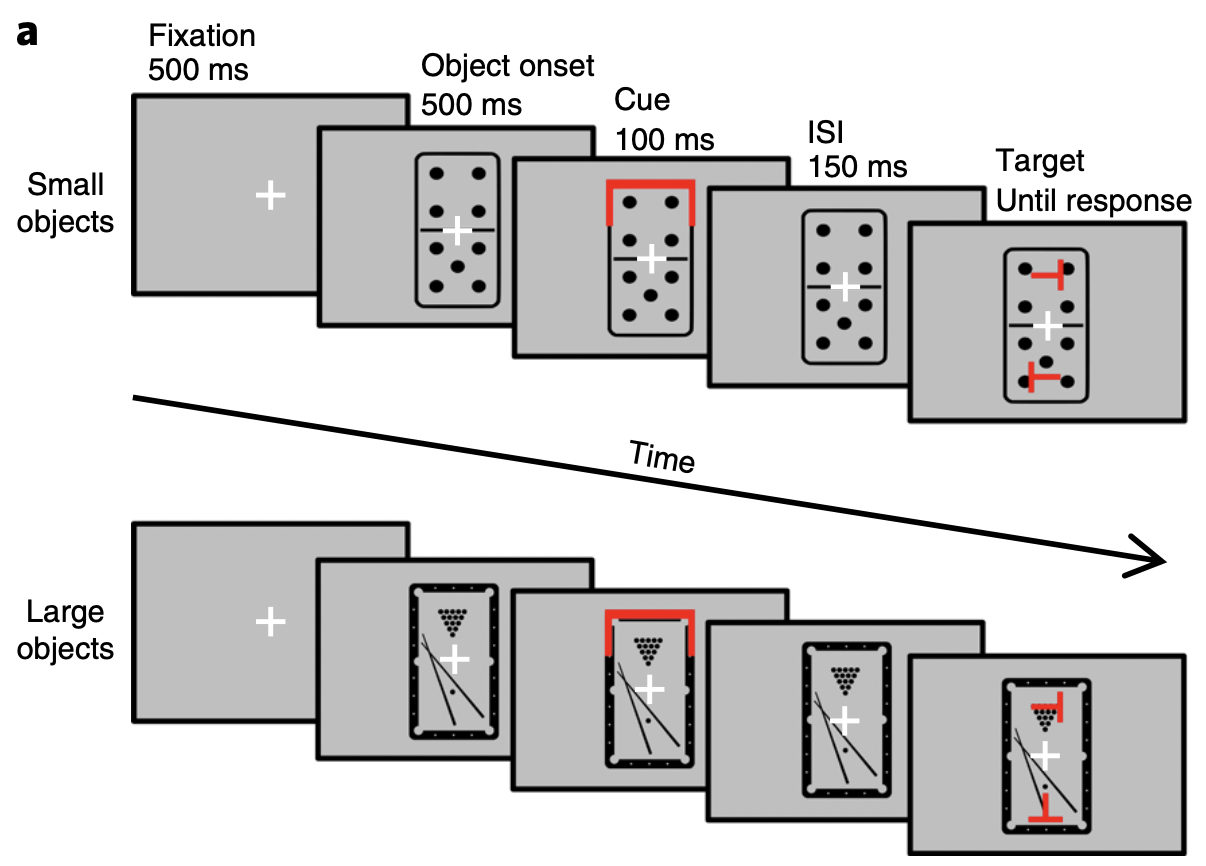
We show it takes longer for attention to spread across a 10-inch picture of a car compared to a 10-inch picture of an eraser.